Category Archives: Uncategorised

Are You Allowed To Drive Barefoot In NSW? Here’s What You Need To Know

Summer in Sydney brings warm days, beach trips, and the temptation to kick off your shoes. But when you get behind the wheel barefoot or in thongs, you might wonder: is this actually legal in NSW? It’s one of the most common questions learner drivers ask, and the answer might surprise you.

The Short Answer: Yes, It’s Legal

There’s no specific law in New South Wales that prohibits driving barefoot. Unlike some common driving myths, you won’t receive a fine or demerit points simply for not wearing shoes while driving. The NSW road rules don’t explicitly mention footwear requirements for drivers.

According to Transport for NSW and the Australian Road Rules (Rule 297 – Proper Control of a Vehicle), drivers must maintain full control of their vehicle at all times. However, there is no specific legislation in NSW that bans driving barefoot or in thongs.

Before you decide to drive shoeless, though, there’s an important caveat you need to understand.

The Legal Grey Area: Road Rule 297

While driving barefoot isn’t technically illegal, NSW Road Rule 297 states that drivers must maintain proper control of their vehicle at all times. This is where things become more nuanced.

If a police officer determines that driving barefoot has compromised your ability to control your vehicle safely, you could be penalised for breaching this rule. The same applies to inappropriate footwear like high heels, heavy work boots, or loose thongs that can slip off or become caught under pedals.

Quick Legal Summary

✔ Driving barefoot in NSW is legal
✔ Driving in thongs is legal
✖ You can be fined if footwear affects vehicle control
✔ Road Rule 297 requires proper control at all times
✔ Police discretion applies in unsafe situations

Driving Barefoot

Why Driving Barefoot Can Be Risky

Even though it’s legal, driving barefoot comes with legitimate safety concerns that every driver should consider:

In our experience training hundreds of learner drivers across Sydney’s south-west, we’ve noticed that students driving barefoot often apply inconsistent brake pressure during emergency stop exercises. While not illegal, it can affect reaction time and pedal precision, especially for new drivers still developing muscle memory.

Reduced Pedal Feel and Control

Your feet lack the firm, flat surface that proper footwear provides. The natural curves of your bare feet don’t create optimal contact with the pedals, which can affect your precision when accelerating or braking.

Potential for Pain and Injury

Emergency braking requires significant force on the pedal. Without shoes, the pressure on your bare heel or sole can cause immediate pain. This discomfort might delay your reaction time in critical situations or distract you when you need to focus most.

Slipping Hazards

Bare feet can become sweaty, particularly on warm Sydney days. Moisture reduces grip on the pedals, increasing the risk of your foot slipping at the worst possible moment. If you’ve been at the beach or pool, wet feet amplify this danger significantly.

Temperature Extremes

Sydney’s metal pedals can become scorching hot during summer or uncomfortably cold in winter. These temperature extremes can cause discomfort that takes your attention away from the road.

What About Driving in Thongs?

Like driving barefoot, wearing thongs (flip-flops) while driving is also legal in NSW. They present their own set of risks though:

✓ The flexible sole offers minimal support for precise pedal control

✓ The Y-strap can separate from the sole unexpectedly

✓ A broken thong can become wedged behind or under pedals, preventing proper brake operation

✓ They can slip off your foot and interfere with pedal access

Many experienced drivers actually consider driving barefoot safer than driving in thongs, given these potential hazards.

Can You Take Your Driving Test Barefoot?

Technically, yes. There’s no rule preventing you from taking your NSW driving test barefoot. Examiners assess your ability to maintain proper vehicle control throughout the test though.

If the examiner believes your lack of footwear is affecting your driving performance, they may suggest you reschedule with appropriate shoes. To avoid any potential issues or the disappointment of a rescheduled test, it’s best to wear suitable driving shoes for your assessment.

Practical Tips for Sydney Drivers

If you regularly find yourself tempted to drive barefoot, try these smart solutions:

✓ Keep spare shoes in your car specifically for driving. A pair of inexpensive slip-on sneakers works perfectly.

Change before you drive, not during. If you’ve been wearing uncomfortable shoes, take a moment to swap them before starting your journey.

If you must drive barefoot, ensure your feet are completely dry and maintain extra vigilance with your pedal control.

The Bottom Line

While driving barefoot in NSW is technically legal, it’s not necessarily advisable. The key principle is maintaining proper control of your vehicle at all times. Whether you’re a learner driver or experienced motorist, your footwear choice should never compromise your ability to drive safely.

At EZY 2 Learn Driving School, we teach our students to develop safe driving habits from day one. This includes making smart choices about everything from footwear to vehicle control. Our award-winning instructors, led by 2018 Driving Instructor of the Year Kevin, focus on building confidence alongside proper technique.

driving school in Edmonton Park

Build Confidence and Pass Your Test First Time

Our driving school in Edmonton Park specialises in helping nervous learners and new drivers develop the skills and confidence they need to become safe, capable drivers.

Our modern, dual-controlled vehicles and patient, expert instruction create the perfect environment for learning. With service areas covering Liverpool, Bankstown, St George, Campbelltown, and Canterbury, we’re conveniently located to serve Sydney’s south-west.Ready to start your driving journey the right way?Book your driving lesson today and learn from Sydney’s most trusted driving school. We’ll help you pass your test first time with confidence and skill.

What Is the Speed Limit for L Platers in NSW?

Getting your learner’s licence is an exciting first step towards independence on the road. But new drivers in NSW need to follow specific restrictions designed to keep everyone safe. One of the most important rules to know is the speed limit for L platers.

So, what is the speed limit for L platers in NSW? Learner drivers in NSW must not exceed 90km/h, even when driving on roads with higher posted speed limits. This restriction applies at all times, regardless of the conditions or where you’re driving across New South Wales.

Let’s break down everything you need to know about this rule and how it helps you become a safer, more confident driver.

Why is the L Plate Speed Limit 90km/h in NSW?

The 90km/h restriction isn’t there to frustrate you. It’s actually there to protect you during the most vulnerable stage of your driving journey. When you’re still learning to control a vehicle, judge distances, and make split-second decisions, limiting your maximum speed gives you more time to react to unexpected situations.

Research shows that speeding contributes to almost 41% of road fatalities and 24% of serious injuries in Australia each year. By restricting learner drivers to 90km/h, Transport for NSW aims to reduce this risk while you’re building essential road skills.

This speed restriction also helps you focus on developing proper driving habits without the added pressure of managing high-speed highway driving. You’ll gain experience with lane changes, merging, and traffic flow at a manageable pace before progressing to your P1 licence.

Sydney's 5-Star Rated Driving School

What Happens If You Break the Speed Limit as a Learner?

Getting caught speeding as an L-plater has serious consequences. Because learner drivers only have 4 demerit points over a three-year period, a single speeding offence can exceed your limit and result in an immediate licence suspension of at least three months.

This means your journey to independence gets delayed, you’ll need to restart parts of your logbook hours, and you may face additional fines. It’s simply not worth the risk.


Other Key L Plate Restrictions in NSW

While the 90km/h speed limit is important, it’s not the only restriction you need to follow. Here are the other main rules for learner drivers in New South Wales:

🗹 Supervision Requirements: You must always have a fully licensed driver sitting in the front passenger seat. This supervisor must hold a full Australian driver’s licence and be ready to assist if needed.

🗹 L Plate Display: Your L plates must be clearly visible on the front and back of the vehicle at all times while you’re driving.

🗹 Zero Alcohol Tolerance: Your blood alcohol content must be 0.00. Even a small amount of alcohol can result in losing your licence.

🗹 Mobile Phone Ban: You cannot use a mobile phone at all while driving, even hands-free devices. The only exception is when your vehicle is legally parked.

🗹 No Towing: Learner drivers are not permitted to tow trailers or any other vehicles.

🗹 Logbook Hours: If you’re under 25, you must complete 120 hours of supervised driving, including 20 hours at night, before you can progress to your P1 licence.

Understanding and following these restrictions from day one helps you develop the discipline and awareness that will serve you throughout your driving life.

How Does NSW Compare to Other States?

Speed limits for learner drivers vary across Australia. While NSW restricts L platers to 90km/h, states like Queensland, Victoria, and the ACT allow learners to drive up to the posted speed limit. Western Australia and South Australia set their learner limits at 100km/h.

If you hold an L plate from another state and drive in NSW, you must follow NSW’s 90km/h restriction while on our roads. This can sometimes cause confusion, so it’s always best to check the local rules before crossing state borders.

Driving Lessons Sydney

Building Confidence Within the Speed Limit

Professional driving lessons help you learn how to manage these situations confidently. At EZY 2 Learn Driving School, our award-winning instructors teach you how to maintain safe speeds, position your vehicle correctly, and handle busy Sydney roads without feeling pressured or overwhelmed.

Our structured lesson plans mean you gain real-world experience across various driving conditions, from quiet suburban streets to multi-lane highways.

Every lesson is designed to build your confidence progressively, so by the time you’re ready for your driving test, the 90km/h limit feels completely natural.

Book your driving lesson today with EZY 2 Learn Driving School and experience the difference that expert, compassionate instruction makes. Serving driving school in Edmonston Park, Liverpool, Bankstown, Campbelltown, St George, and the surrounding Sydney areas.

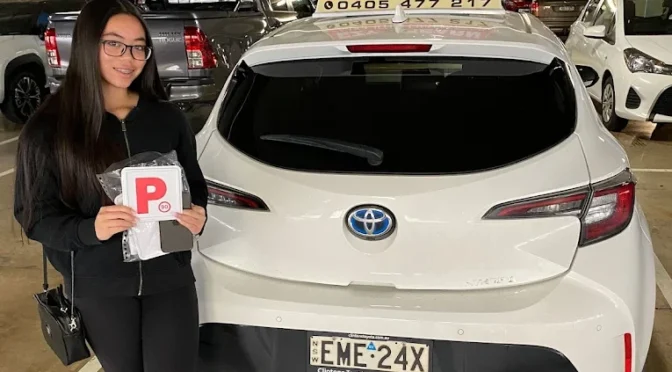
Red P Plate Speed Limit NSW: Everything You Need to Know

Earning your red P plates is an exciting milestone in your driving journey. It marks the beginning of independent driving and newfound freedom on NSW roads. But with this independence comes important responsibilities, particularly around speed limits and road rules.

If you’re preparing for or have just received your Provisional P1 licence in NSW, understanding the red P plate speed limit is necessary for staying safe, avoiding fines, and keeping your licence intact.

What Is the Red P Plate Speed Limit in NSW?

Red P plate drivers in New South Wales must not exceed 90 km/h at any time, regardless of the posted speed limit on the road. Even if you’re driving on a highway where the limit is 100 km/h or 110 km/h, you must stick to 90 km/h.

This restriction applies everywhere you drive in NSW, including:

🗹 Urban roads

🗹 Rural highways

🗹 Motorways

🗹 School zones (where lower limits apply)

The 90 km/h maximum is designed to give new drivers time to build confidence and experience at safer speeds before progressing to higher limits.

Why are Red P Platers Restricted to 90 km/h?

Speed limits for provisional drivers aren’t arbitrary. They’re based on road safety research showing that younger, inexperienced drivers are at higher risk of crashes, particularly at higher speeds.

According to Transport for NSW, speeding contributes to a significant percentage of serious injuries and fatalities involving young drivers. By limiting red P platers to 90 km/h, the system allows you to:

🗹 Develop better hazard perception skills

🗹 React more effectively to unexpected situations

🗹 Build defensive driving habits

🗹 Gain confidence gradually without rushing

At EZY 2 Learn Driving School, we help learners transition smoothly from L plates to red Ps by teaching safe speed management and situational awareness from day one.

Other Key Red P Plate Rules in NSW

The speed limit is just one part of the P1 licence restrictions. Here are the other main rules you must follow:

🗹 Zero Alcohol Tolerance

Red P platers must maintain a 0.00% blood alcohol concentration. This means you cannot consume any alcohol before or while driving.

🗹 Mobile Phone Ban

All mobile phone use is completely banned, including hands-free, Bluetooth, and speakerphone. Any phone use results in 4 demerit points and an automatic 3-month licence suspension.

🗹 Passenger Restrictions

Between 11 pm and 5 am, drivers under 25 years old can only carry one passenger under 21 years of age. Exemptions may apply for work, family, or volunteering purposes, but must be approved by Service NSW beforehand.

🗹 Display Requirements

Red P plates must be clearly displayed on the outside of the vehicle, on both the front and back. Plates placed inside windows don’t comply with the law.

🗹 Vehicle Restrictions

Red P platers cannot drive high-performance vehicles, including cars with a power-to-weight ratio of 130 kW per tonne or greater, or vehicles with heavily modified engines.

What Happens If You Break the Speed Limit?

Speeding as a red P plater carries serious consequences. Red P plate drivers can only accumulate 4 demerit points before their licence is suspended.

What makes this even more serious is that any speeding offence results in an automatic 3-month licence suspension, along with fines. Even a minor speeding infringement can cost you your licence and your independence.

Red P Plate Speed Limit: Interstate Driving

If you hold a NSW red P plate licence and drive interstate, you must still follow NSW rules, including the 90 km/h speed limit. This applies even if you’re driving in states like Queensland or Western Australia, where provisional drivers can travel faster.

Conversely, if you hold a Queensland or Victorian licence and drive in NSW, you follow your home state’s rules, not NSW’s restrictions.

Red P Plate Speed Limit

How Long Do You Stay on Red P Plates?

In NSW, you must hold your P1 (red P plate) licence for a minimum of 12 months before you can progress to your P2 (green P plate) licence. During this time, it’s important to follow all rules to avoid suspensions that could delay your progression.

Once you move to green Ps, your speed limit increases to 100 km/h, and some passenger restrictions are lifted. But mobile phone bans and zero alcohol limits remain in place.

Tips for Staying Safe and Compliant as a Red P Plater

1. Always Monitor Your Speed

Set reminders for yourself to check your speedometer regularly. It’s easy to drift above 90 km/h, especially on highways.

2. Plan Your Routes

Use GPS or maps to identify roads with lower speed limits, especially when you’re still building confidence.

3. Avoid Peer Pressure

Friends may encourage you to speed or bend the rules. Stay focused on your safety and your licence.

4. Consider Professional Lessons

Even after earning your red Ps, refresher lessons can help you master challenging situations and build safer habits.

5. Stay Calm and Drive Defensively

Don’t feel pressured by drivers behind you. Keep left where possible and let faster traffic pass safely.

Building Confidence Beyond Your Red Ps

Building Confidence Beyond Your Red Ps

At EZY 2 Learn Driving School, we specialise in helping new drivers transition from learners to confident, responsible P plate drivers. Our award-winning instructors provide calm, supportive lessons tailored to your pace, ensuring you’re fully prepared for the responsibilities of solo driving.If you’re getting ready for your P1 test or want to sharpen your skills as a new provisional driver, book your driving lessons with EZY 2 Learn Driving School today. Let our expert instructors help you drive safely, confidently, and legally on Sydney roads.

Can You Use a Bus Lane to Overtake in Australia?

Navigating busy Australian roads can be confusing, especially when it comes to understanding special-purpose lanes. One question that trips up many learner drivers and even experienced motorists is: Can you use a bus lane to overtake?

The short answer is yes, but only under specific circumstances and for a limited distance. Understanding these rules is essential for safe driving and avoiding hefty fines that can reach up to $349 in NSW.

Understanding the 100-Metre Rule

The fundamental rule across Australia is crystal clear: private vehicles can drive in a bus lane for a maximum of 100 metres in specific situations. This national standard applies whether you’re in Sydney, Melbourne, Brisbane, or any other Australian city.

You’re legally permitted to use a bus lane for up to 100 metres when:

🗹 Overtaking a vehicle that’s turning right or making a U-turn

🗹 Entering or leaving the road

🗹 Avoiding an obstruction in your regular lane

🗹 Following signage that specifically permits it

This 100-metre allowance gives you enough space to safely complete the manoeuvre whilst preventing abuse of bus lanes for general traffic flow.

Understanding the 100-Metre Rule

When Can You Use a Bus Lane to Overtake?

The most common scenario where you can legally use a bus lane is when overtaking a vehicle turning right. Picture this: you’re driving along Parramatta Road in Sydney, and the car ahead signals to turn right.

Traffic is building up behind them, but there’s a bus lane on the left. In this situation, you can legally move into the bus lane to overtake, provided you don’t exceed 100 metres.

This rule helps keep traffic flowing smoothly whilst respecting the priority given to public transport. However, it’s crucial to return to your regular lane as soon as it’s safe to do so.

Avoiding Obstructions

If you encounter a broken-down vehicle, accident scene, or other obstruction blocking your lane, the bus lane provides a legal alternative route for up to 100 metres. Always ensure you give way to any buses or authorised vehicles already using the lane.

Entering or Leaving the Road

When you need to access a driveway, car park, or turn off the road, you can cross or briefly use the bus lane for up to 100 metres. This allowance recognises that drivers often need to traverse bus lanes to reach their destinations legally.

NSW Specific Bus Lane Rules

In New South Wales, bus lane regulations are enforced under the Road Rules 2014. NSW permits specific vehicles to use bus lanes without restriction:

🗹 Public buses

🗹 Taxis (but not rideshare vehicles like Uber)

🗹 Hire cars displaying HC plates

🗹 Emergency vehicles

🗹 Motorcycles

🗹 Bicycles

For everyone else, the 100-metre rule applies strictly. NSW also distinguishes between regular bus lanes and “Buses Only” lanes, where private vehicles aren’t permitted under any circumstances.


Common Mistakes to Avoid

Many drivers fall into these traps when it comes to bus lanes:

Exceeding the 100-metre limit: The most common violation occurs when drivers stay in the bus lane longer than permitted. Fixed cameras monitor many bus lanes, making this a costly mistake.

Using bus lanes during peak hours: Always check the signage. Many bus lanes only operate during specific hours, typically weekday peak periods.

Confusing rideshare with taxis: Whilst taxis can use bus lanes in NSW, rideshare vehicles like Uber and Ola cannot, despite common misconceptions.

Not returning to your lane promptly: Once you’ve completed your overtaking manoeuvre, return to the regular traffic lane as soon as it’s safe.

Penalties for Incorrect Bus Lane Use

If you’re caught driving in a bus lane illegally in NSW, you’ll face:

🗹 A fine of $349

🗹 Two demerit points

🗹 Potential camera detection notices sent to your registered address

These penalties increase during double demerit periods, making it even more crucial to understand and follow the rules.

Penalties for Incorrect Bus Lane Use

At EZY 2 Learn Driving School, we specialise in helping learners master the road rules that matter most. Our structured lessons focus on real-world scenarios you’ll encounter on Sydney roads, from managing bus lanes to navigating multi-lane roundabouts.

Our driving school is located in Edmondson Park and serves learners throughout Liverpool, Bankstown, St George, Campbelltown, and Canterbury areas.

With modern dual-control vehicles rated 5 stars by ANCAP and personalised instruction, we help nervous learners transform into confident, capable drivers.

Book your lesson today and join the 365+ satisfied students who’ve given us 5-star reviews. Contact EZY 2 Learn Driving School to start your journey towards driving independence with confidence.

How Do They Check Learner Log Books NSW

If you’re getting close to your driving test in NSW, you’ve probably wondered exactly how they check learner log books and what examiners look for. It’s a common concern for learner drivers, and knowing the verification process can help you prepare properly and avoid last-minute surprises on test day.

Your logbook is more than just a record of hours. It’s your proof that you’ve gained the necessary experience to drive safely on NSW roads.

This guide will walk you through the complete checking process, what testing officers examine, and how to make sure your logbook passes inspection without issues.

What Happens When Your Logbook Gets Checked?

When you arrive for your driving test at a Service NSW Centre or approved testing
Location, the first thing you’ll do is present your learner driver logbook to the staff at the counter.

The testing officer will then review your logbook carefully before allowing you to proceed with the practical assessment.

According to Transport for NSW guidelines, the testing officer examines several key aspects of your logbook to verify it meets all requirements. This isn’t just a quick glance. They’re checking that you’ve genuinely completed the required supervised driving hours and that your records are accurate and legitimate.

If your logbook doesn’t meet the necessary standards, you won’t be allowed to start the test. You’ll forfeit the test fee you’ve already paid and will need to rebook for another date after correcting the issues.

What Do Testing Officers Look For?

Testing officers have specific criteria they check when verifying learner log books. Here’s what they examine:

1. Total Hours Completed

For learners under 25 years old, you must complete 120 hours of supervised driving, including at least 20 hours of night driving. The officer will verify that your logbook shows these minimum requirements have been met.

2. Correct Signatures

Every entry in your logbook must be signed by your supervising driver. Missing signatures or unsigned entries will raise red flags and may result in those hours being rejected.

3. Realistic Driving Routes

Your logbook entries should include reasonable routes and locations. If the routes don’t make logical sense or show impossible distances, examiners may question the authenticity of your records.

4. Accurate Date Progression

The dates in your logbook should follow a realistic timeline. Completing large numbers of hours in very short timeframes or having entries that don’t align with the dates you’ve held your licence will be flagged as suspicious.

5. Proper Details in Each Entry

Each logbook entry should include the date, start and end times, weather and traffic conditions, areas or roads travelled, and the supervising driver’s licence details. Incomplete entries may not be accepted.

6. Night Driving Hours Highlighted

Your 20 hours of night driving (defined as driving between sunset and sunrise) should be clearly marked in your logbook. Officers will specifically check that this requirement is met separately from your total hours.

Digital Logbook Verification

If you’re using the official digital logbook app approved by Transport for NSW, the verification process is slightly different. You’ll need to present your device with the app open, showing your logged hours.

The testing officer will review the digital records on your screen to confirm that the requirements are met.

Digital logbooks are generally harder to falsify, as they often include GPS tracking and automatic time stamps. The same requirements apply, though, and officers will still check for completeness and accuracy.

Common Logbook Mistakes That Cause Rejection

Many learner drivers have their logbooks rejected, not because they didn’t complete the hours, but because of simple errors. Here are the most common mistakes:

🗹 Missing supervisor signatures on multiple entries

🗹 Incomplete information in the logbook sections

🗹 Unrealistic odometer readings that don’t match the distance travelled

🗹 Inconsistent handwriting across different entries raises authenticity concerns

🗹 Pages are missing or torn out from the logbook

🗹 Calculation errors in total hours that don’t add up correctly

🗹 Crossing out entries excessively without proper corrections

Digital Logbook Verification

Tips to Make Sure Your Logbook Passes Inspection

To avoid any issues when your logbook gets checked, follow these practical tips:

Fill in entries immediately after each drive. Don’t wait weeks to catch up on your logbook, as details become fuzzy and entries may appear inconsistent.

Be honest and accurate. Faking logbook hours can result in fines up to $6,600 in NSW, plus potential licence suspensions and driving test bans.

Make sure every entry is complete. Include all required information, such as date, time, weather, traffic conditions, and routes travelled.

Have your supervisor sign immediately. Get their signature right after each session while they’re available.

Keep your logbook clean and organised. Avoid excessive crossing out, torn pages, or messy handwriting that could raise concerns.

Double-check your total hours. Verify that your calculations are correct and that you’ve met the 120-hour and 20-hour night driving requirements.

Use realistic routes and times. If you recorded a drive from Liverpool to Campbelltown, the time and distance should make sense for that journey.

What Happens If Your Logbook Is Rejected?

If the testing officer determines that your logbook doesn’t meet requirements, you won’t be allowed to take the test that day. You’ll lose the fee you’ve already paid and will need to correct the issues before rebooking.

Depending on the severity of the problem, you may need to complete additional supervised hours, obtain a new logbook, or wait a specified period before you’re eligible to test again. In cases of suspected forgery, penalties can include fines and extended waiting periods.

Working With a Professional Driving School

Drive Safely in Sydney Peak Hour Traffic

One of the best ways to make sure your logbook is completed properly is to work with an experienced driving school. Professional instructors not only help you build genuine driving skills but also guide you on correct logbook completion.

At EZY 2 Learn Driving School, our award-winning instructor Kevin helps learners across Sydney complete their logbook hours properly while building real confidence behind the wheel.

With structured lessons and personalised guidance, you’ll gain the experience needed to pass your driving test on the first attempt.

Book your driving lesson today and experience Sydney’s most trusted driving school.

How To Build Confidence In Driving

Building confidence in driving begins with small, consistent actions that help you feel safe, in control, and ready for the road. The quickest way to grow your confidence is to combine regular practice with clear guidance from a qualified instructor at a trusted driving school in Edmondson Park who understands how Australians learn best.

Whether you are a new learner or someone returning to driving after a long break, confidence comes from understanding your car, your environment, and your own strengths behind the wheel.

Confidence is not something that arrives all at once. It develops through repetition, positive experiences, and learning how to handle a variety of road situations calmly.

Many Australians feel nervous during their early driving months. The good news is that these nerves can be reduced significantly with the right mindset, preparation, and support.

Understand Your Vehicle

One of the strongest foundations for confident driving is knowing how your car responds. Take time to familiarise yourself with the controls. Learn how the indicators sound, how the steering feels, and how quickly the car reacts when you apply the brakes. When these actions become second nature, you spend less time worrying about the basics and more time focusing on the road.

Adjust your seat, mirrors, and steering position before every drive. Small adjustments can help you feel more grounded and secure. When you sit comfortably and have clear visibility, your stress levels naturally lower.

Start With Low-Pressure Environments

Begin your practice in quiet streets or empty car parks. These spaces give you the freedom to make mistakes without feeling rushed or judged. As your confidence grows, gradually introduce slightly busier roads. The steady increase in difficulty allows your brain to adapt without feeling overwhelmed.

Driving at different times of day also helps. Start with daylight hours, then progress to early evening or mild traffic periods. Each new setting builds your capability and improves your ability to stay calm.

Learn Road Rules Thoroughly

Much of driving anxiety comes from uncertainty. When you are unsure who has the right of way or how to handle a specific sign, hesitation sets in. Make regular time to revise your state road rules. Clear knowledge improves your decision-making and helps you feel more prepared for everything from roundabouts to lane changes.

Using practice tests is especially helpful. Repetition strengthens memory and helps you apply rules quickly in real situations.

Build Predictable Driving Habits

Confident drivers rely on consistent habits that keep them steady under pressure. A few helpful habits include:

🗹 Checking mirrors at regular intervals

🗹 Signalling early

🗹 Maintaining safe following distances

🗹 Reducing speed when approaching complex situations

🗹 Keeping both hands on the wheel

These habits become automatic over time. As they do, your mental load decreases and your confidence increases.

Address Your Fears Directly

Everyone has certain areas they find more challenging. For some, it is merging onto motorways. For others, it is parallel parking or driving on unfamiliar roads. Identify the situations that make you most uneasy and practise them with patience.

Breaking these fears into smaller steps helps. For example, if merging is stressful, start with quieter entry points before attempting major motorways. If parking is difficult, practise in spacious areas before moving to tighter city streets.

Stay Calm With Breathing Techniques

A calm mind helps you think clearly. When nerves rise, your breathing may become shallow. Slow, steady breaths help lower your heart rate and improve your focus. Before starting a drive, try taking a few deep breaths to clear tension. If you feel uneasy during a lesson or practice session, pause safely and reset.

Driving Lessons Improve Speed And Confidence

Structured lessons from a qualified instructor offer tremendous benefits. You receive expert feedback, personalised guidance and exposure to a wide range of driving situations. A professional can teach you techniques you may not discover on your own and correct small habits before they become difficult to change.

If you want supportive, patient and highly experienced instructors, consider taking your next lesson with EZY 2 Learn Driving School. Their team specialises in helping learners grow their confidence one step at a time.

Practise With Purpose

Confidence grows through consistent, meaningful practice. Set clear goals for each drive. Your goals might include smoother braking, more accurate parking or improving lane discipline. After each session, reflect on what went well and what needs more work.

Try not to practise for too long when you are tired or stressed. Short, focused practice sessions offer better improvement than long sessions filled with tension.

Learn From Mistakes Calmly

Mistakes are part of learning. Even experienced drivers slip up occasionally. The key is viewing every mistake as an opportunity. If you stall, misjudge a turn or hesitate at a roundabout, remind yourself that these experiences are temporary and normal.

Keeping a calm attitude helps you bounce back quickly. Confidence is built through resilience and repetition.

Stay Consistent

Driving confidence fades when long gaps appear between practice sessions. Aim to drive regularly so your skills stay fresh. Consistency leads to automatic movements, sharper reactions, and better awareness of your surroundings.

If motivation is becoming difficult, partnering with a driving school helps keep you on track. Regular lessons create structure and accountability.

For supportive guidance that helps you progress steadily, you can book flexible and friendly lessons with EZY 2 Learn Driving School. Their instructors work with learners of all ages and experience levels.

When You Need Extra Help

There is no shame in needing additional support. Some learners benefit from refresher lessons, while others may require more time in quiet environments before progressing. A professional instructor can identify the exact steps needed to boost your confidence.

If you are ready to take control of your driving future, gain clarity, and feel safer behind the wheel, it is a great time to take the next step.

Book your driving lessons with EZY 2 Learn Driving School today. Gain the confidence, skills, and road awareness you need to drive safely and independently.

How to Drive Safely in Sydney Peak Hour Traffic

Driving safely in Sydney peak hour traffic starts with understanding how to manage congestion, maintain patience, and stay fully aware of your surroundings. The key to staying safe is to anticipate hazards early, give yourself extra time, and follow road rules carefully, especially during the busiest periods of the morning and afternoon — skills commonly taught at a professional driving school in Edmondson Park. Many new and experienced drivers find peak hour stressful, but with the right habits, it becomes manageable and far less intimidating.

Sydney’s road network is busy for long stretches of the day. Commuters move through main routes like the M4, M5, M8, Parramatta Road, Victoria Road and sections of the Pacific Highway. Add school drop-offs, buses, cyclists and frequent roadworks, and it becomes clear why peak hour requires a thoughtful approach.

Understanding how to keep calm and make smart decisions will help you stay safe no matter where you drive in the city.

1. Keep a Safe Following Distance

One of the most effective ways to avoid crashes in heavy traffic is to leave more space than you think you need. Sudden braking is common during peak periods. If you follow too closely, you have very little time to react. The general recommendation is to maintain at least three seconds of distance, but in Sydney’s peak hour, aiming for four seconds gives you extra safety.

This margin helps you avoid rear-end collisions and gives you room to steer away from hazards such as merging drivers or sudden stops caused by traffic bottlenecks.

2. Plan Your Route Before You Leave

Planning ahead makes a huge difference. Sydney roads can change quickly due to accidents, temporary closures or congestion near major intersections. Use live traffic apps before you start your trip. Knowing where delays are allows you to choose quieter streets or avoid hotspots.

If you are a new driver, stick to routes you know well. Once you gain confidence, you can begin trying alternative paths that offer smoother driving and fewer stressful intersections.

If you want guidance on choosing the safest routes at different times of the day, instructors at EZY 2 Learn Driving School can help you build confidence and smart planning habits.

3. Stay Alert and Limit Distractions

Distractions are one of the biggest risks during busy periods. Even looking away for two seconds can lead to an unsafe situation. Always keep your phone in hands-free mode, and only adjust music, air conditioning or navigation settings when you are fully stopped.

Peak hour requires more scanning than usual. Bikes, scooters and pedestrians can appear suddenly, especially near train stations and busy crossings. Keep your eyes moving and check mirrors often.

4. Be Patient with Merging Traffic

Sydney’s peak hour is filled with merging situations, especially on motorways and feeder roads. The safest approach is to be predictable. Maintain a steady speed, use your indicator early and avoid weaving between lanes.

Instead of speeding up to block someone from merging, create space. The time you lose is minimal, and the safety gain is significant. Defensive drivers stay patient, read the flow of traffic and avoid aggressive behaviour.

Sydney's 5-Star Rated Driving School

5. Use Smooth Acceleration and Braking

Heavy traffic rewards smooth driving. Sudden acceleration leads to unnecessary fuel use and increases the chance of running into slow-moving cars ahead. Gradual braking and light acceleration not only keep you steady but also make your driving predictable for others around you.

This technique is especially helpful on the Harbour Bridge, Anzac Bridge and major tunnel routes where congestion builds quickly.

6. Stay in Your Lane Unless Necessary

Unnecessary lane changes increase risk. Many Sydney drivers switch lanes repeatedly because they think they will save time. In reality, this usually adds stress and can put you in the blind spot of trucks or buses.

Choose your lane early and stay there unless you genuinely need to exit or avoid an obstruction. Fewer lane changes mean fewer surprises for other drivers.

7. Watch for Buses and Cyclists

Sydney has numerous bus priority lanes and a growing number of cyclists. Buses require extra space to turn and merge. Cyclists may appear along the left side of your vehicle when traffic slows.

Give both plenty of room. When passing a cyclist, maintain at least one metre of clearance on roads under 60 km/h and one and a half metres on faster roads. Knowing these rules keeps you and others safer.

8. Manage Stress Inside the Car

Peak hour is mentally tiring. Stress affects judgement and reaction times. Keep your environment comfortable by maintaining a relaxed grip on the wheel and taking slow breaths if you feel tense.

Listening to calm music or planning to leave earlier can reduce pressure. You cannot control the congestion, but you can control the way you respond to it.

If you feel anxious driving in busy Sydney conditions, EZY 2 Learn Driving School offers structured lessons that help you stay calm and make safer decisions during heavy traffic.

9. Respect Speed Limits and Changing Conditions

Speed limits on Sydney roads vary often. School zones, tunnels, roadworks and variable motorway signs change without warning. Always watch for signs and adjust immediately.
Even if you stay within the limit, conditions such as rain or low visibility call for slower speeds. Safe driving means matching your speed to both the road rules and the traffic around you.

10. Keep Your Vehicle Ready for Peak Hour

A well-maintained car helps you avoid unexpected breakdowns during busy periods. Check tyre pressure, fuel levels, lights, and wipers regularly. A simple oversight like a failing brake light, can increase risks during congestion.

A well-functioning vehicle is essential when you spend long periods in traffic and need to respond quickly to sudden changes.

The Way Forward

Ready to feel confident driving through any Sydney peak hour route? Book your lessons today with EZY 2 Learn Driving School, where patient instructors help learners build safe, reliable skills for real road conditions.

Sydney Weather Driving Tips: Rain, Fog, and Wet Roads

Driving in Sydney’s unpredictable weather can feel challenging, especially when sudden rain, heavy fog, or slick roads appear without warning. The best way to stay safe in these conditions is to adjust your speed early, increase your distance from other vehicles and stay fully aware of how the road surface reacts to moisture.

Understanding these basics in the first few seconds of changing weather can significantly improve your safety and confidence behind the wheel.

Sydney drivers often experience shifting weather patterns that can turn an ordinary trip into a situation that demands extra care. From summer storms to cool-season fog, the conditions can influence braking, acceleration, and visibility.

Being prepared helps reduce stress and keeps you and others safe.

Why Wet Weather Requires a Different Driving Approach

Water on the road affects grip. When tyres lose contact with the surface, even momentarily, braking distance increases; this is why many road collisions in Sydney occur during or just after rain. Adjusting your driving style ensures you are ready for anything.

Slippery roads also increase the risk of skidding. Even new tyres need time to push water aside, so sudden braking or sharp turns can put you in danger. Slowing down slightly and easing through turns makes a huge difference.

If you want to build stronger habits and feel more confident driving in all conditions, consider booking a personalised lesson with EZY 2 Learn Driving School to strengthen your skills with a calm and supportive instructor.

Driving Safely in Rain

Rain is frequent across Sydney, especially during late summer storms and occasional downpours in autumn and winter. When the road becomes wet, visibility naturally reduces, and glare from lights and wet surfaces can make judging distance harder.

Here are key tips for driving safely in the rain:

1. Reduce Speed Before Reaching Wet Patches

Many drivers make the mistake of braking on a wet surface. Instead, ease off the accelerator before entering a shiny or damp area. This keeps your tyres steady and prevents sliding.

2. Turn on Your Headlights Early

Headlights help others see you. Even light rain can blur objects in the distance, so turning your lights on early helps ensure you are visible from all angles.

3. Avoid Sudden Steering or Sudden Braking

Smooth driving is safer in wet weather. Make small and steady adjustments to avoid losing traction.

4. Use the Demister

Your windows can fog up quickly during rain. Switch on the demister and air conditioning to clear the glass and keep your view sharp.

For guidance from trained instructors who teach safe wet-weather techniques, you can schedule confidence-boosting sessions with EZY 2 Learn Driving School.

How to Handle Fog on Sydney Roads

Fog is common in outer Sydney suburbs, particularly in winter or early mornings. Fog reduces visibility dramatically, which is why drivers need to adapt instantly.

1. Use Low-Beam Headlights Only

High-beam lights reflect off fog and make visibility even worse. Stick to low-beam lights and fog lights if your car has them.

2. Increase Your Following Distance

With limited visibility, you need extra time to react. Doubling your usual gap from the car ahead gives you a safer margin.

3. Avoid Overtaking

Passing other vehicles in foggy conditions increases risk. Stay in your lane, stay patient and wait until the fog clears or conditions improve.

4. Keep an Ear Out for Traffic

When your vision is restricted, your hearing becomes more important. Lower your music volume and stay alert for other vehicles or emergency sirens.

Smart Tips for Driving on Wet Roads After Long Dry Periods

One of Sydney’s unique driving challenges occurs after long dry spells. When rain finally arrives, dust and oil on the surface mix with water, creating a slippery layer. This can be more dangerous than normal wet weather.

Here is how to stay safe:

1. Take the First Ten Minutes of Rain Seriously

The early moments of rainfall lift oils from the ground, making the road extra slick. Slow down during this period until the water washes the surface clean.

2. Avoid Sudden Lane Changes

Changing lanes too quickly increases the risk of sliding. Move gradually if you need to switch lanes.

3. Keep Clear of Road Edges

Water can pool near gutters and uneven edges. These areas can cause hydroplaning if hit at speed.

4. Check Your Tyres Regularly

Good tyre tread helps push water away. Worn tyres reduce grip dramatically on wet roads.

Hydroplaning: What to Do If It Happens

Hydroplaning occurs when your tyres lose contact with the road, floating on a thin layer of water. It can happen at any time during heavy rain or when you pass through deeper water.

If your steering suddenly feels light or unresponsive, you may be hydroplaning. Stay calm, avoid braking hard and gently ease off the accelerator. Keep the wheel straight until you feel the tyres regain contact.

Preparing Your Car for Wet Weather

A well-maintained car performs better in unpredictable conditions. Simple checks can help prevent issues.

1. Inspect Wipers Frequently

Sydney’s sun can dry out wiper rubber, leaving streaks when it rains. Replace worn wipers before each wet season.

2. Test Your Lights

Lights help you see and help others see you. Make sure they all function correctly.

3. Keep Windows Clean Inside and Out

Grime on the glass worsens glare during rain. Cleaning regularly improves visibility.

4. Maintain Proper Tyre Pressure

Correct pressure ensures the best road contact. Under-inflated tyres struggle to clear water effectively.

If you want to learn these techniques with expert guidance, EZY 2 Learn Driving School offers professional lessons that help you build strong, safe and confident driving habits in all weather conditions. Book your session today and feel more prepared on Sydney roads.

Take control of your safety on the road. Book your wet-weather driving lesson with EZY 2 Learn Driving School today and gain confidence in every condition.

Tips To Pass Your Driving Test First Time

Passing your driving test on the first attempt is absolutely achievable when you focus on solid preparation, consistent practice, and calm decision-making.

Many learners succeed by mastering the basics early, understanding what examiners look for, and building steady confidence behind the wheel. With the right approach, you can give yourself every chance of earning your licence without needing multiple attempts.

Learning to drive is an exciting milestone, but it can also feel stressful when test day gets closer. The good news is that most test requirements are predictable, structured and fully within your control.

Once you know how to manage key tasks such as observation, speed control, safe positioning, and smooth manoeuvres, you can enter the testing centre feeling ready. Here are practical, clear and reliable tips to help you pass your driving test the first time in Australia.

1. Know the Test Requirements Thoroughly


Understanding what the examiners expect is one of the strongest tools you can have. The driving test focuses on safe habits, decision-making, and your ability to handle real road situations calmly. Examiners will check how well you observe, whether you follow road rules without hesitation, and how confidently you manage different traffic environments.

Spend time studying the NSW Road User Handbook or your relevant state’s guidelines. Pay close attention to speed limits, right of way, school zones, roundabouts and safe following distances. When you know the rules clearly, you reduce errors and build steady confidence.


2. Practise in a Variety of Conditions


To pass on your first attempt, make sure you have driven in different traffic environments. Quiet streets help you learn the basics, but you also need experience in busier areas, near schools, on main roads, and at roundabouts. The test route can include any of these, so the more variety you have experienced, the easier it will feel.

Practise driving at different times of the day. Early morning, afternoon peaks and quieter mid-day hours each present unique conditions. When you become comfortable with all of them, you will find the test far less stressful.

For structured lessons that help you build confidence across all road conditions, consider training with EZY 2 Learn Driving School. Their instructors help learners progress at a comfortable pace while building strong skills.

3. Perfect Your Observation Techniques


Poor observation is one of the most common reasons learners fail. Examiners are incredibly attentive to how frequently and effectively you check mirrors, blind spots and upcoming hazards.

Key habits to practise:

  • Check mirrors before changing speed or position
  • Look over your shoulder before merging or pulling out
  • Scan ahead for hazards like pedestrians, parked cars or cyclists
  • Maintain awareness of vehicles behind and beside you

These habits show examiners that you are a safe and responsible driver who is aware of your surroundings at all times.

4. Refine Your Manoeuvres Until They Feel Natural

You will be assessed on your ability to perform basic manoeuvres smoothly and accurately. Common tasks include:

  • Reverse parking
  • Three-point turns
  • Kerb side parking
  • Parallel parking
  • Hill starts

Practise each one regularly until it feels comfortable. Aim for slow, controlled movements with steady steering. Examiners value control far more than speed. A calm, consistent technique will make these tasks much easier to complete confidently on test day.

5. Control Your Speed at All Times

Speed control is essential for passing. Exceeding the limit, even briefly, can result in an instant fail. On the other hand, driving too slowly can also be marked down if it affects traffic flow.

Tips for steady speed control:

  • Keep your eyes scanning for speed signs
  • Use gentle pressure on the accelerator
  • Adjust your speed early when entering new zones
  • Avoid sharp braking unless necessary

When you show that you can judge speed correctly without constant correction, it demonstrates safe and dependable driving.

6. Keep Your Positioning Steady and Accurate

Examiners look for smooth lane positioning that stays within the lines and maintains safe distances from obstacles and other vehicles. Drifting, sudden lane changes or inconsistent placement can cost marks.

Practise staying centred in your lane and keeping a safe gap from parked cars. When turning, enter and exit the lane cleanly while watching for pedestrians and other vehicles.

7. Stay Calm and Give Yourself Time

Nerves can be the toughest part of a driving test. Many learners make mistakes simply because they rush or panic. The best approach is to stay steady and take your time when making decisions.

Remember:

  • You can take a moment before responding to a situation
  • Breathe steadily throughout the test
  • Focus on one task at a time
  • Treat the drive the same way you would during a normal lesson

Examiners want to see safe, calm driving, not perfection. A few small errors are fine as long as they do not create danger.

8. Book a Mock Test Before the Real Thing

A mock test gives you a realistic preview of test conditions. Many instructors simulate the exact format, timing and structure used by examiners. This helps you identify weak areas well before the actual test.

A mock test can also reduce nervousness because it helps you feel familiar with the process. The more prepared you are, the more natural everything will feel on the day.

You can request a mock test session with EZY 2 Learn Driving School, where instructors assess you using real test scoring methods so that you understand exactly what to expect.

9. Keep the Car Setup Comfortable

Whether you are using your own car or your instructor’s, make sure everything is set correctly:

  • Seat positioned comfortably
  • Mirrors adjusted clearly
  • Steering wheel at a relaxed height
  • Air conditioning or ventilation is right for the day

Comfort helps keep you calm, focused, and steady throughout the test.

10. Don’t Be Afraid To Ask for Clarification

If you do not hear an instruction clearly, it is completely acceptable to ask the examiner to repeat it. This will not affect your score. It is better to confirm the instruction than to guess and risk making an unsafe choice.

Ready To Pass Your Test Confidently?

If you want expert guidance, structured learning, and supportive instructors who help you feel calm and capable, book your driving lessons with EZY 2 Learn Driving School today. Their proven methods help countless learners pass their driving test on the first attempt.

How to Choose the Right Driving School in Sydney

Finding the right driving school is crucial for new drivers, especially in a bustling city like Sydney. Whether you’re a first-time driver or looking to refresh your skills, selecting the best driving lessons can significantly impact your learning experience and confidence behind the wheel. In this guide, we’ll explore essential factors to consider when choosing a driving school in Sydney , ensuring you make an informed decision that sets you up for success on the road.

1. Understanding Your Driving Needs

Before you start searching for driving lessons in Sydney, it’s important to identify your specific needs. Are you a complete beginner, or do you already have some driving experience? Are you preparing for your driving test, or do you want to enhance your skills for city driving? Knowing your requirements will help you find a driving school that caters to your unique situation.

a. Beginners

For those starting from scratch, look for schools that offer comprehensive beginner programs. These typically include:

  • Theory Lessons: Understanding road rules, traffic signs, and safety regulations.
  • Practical Training: Hands-on experience behind the wheel with a qualified instructor.

b. Experienced Drivers

If you’re already familiar with driving but need to sharpen your skills or prepare for a specific test (like a driving test for a different license class), consider schools that offer refresher courses or specialized training.

2. Researching Driving Schools

Once you have a clear idea of your needs, it’s time to research driving schools in Sydney. Here are some effective ways to gather information:

a. Online Reviews and Ratings

Websites like Google, Yelp, and local driving forums can provide valuable insights into the experiences of former students. Look for schools with high ratings and positive feedback regarding their instructors, lesson structure, and overall student satisfaction.

b. Word of Mouth

Ask friends, family, or colleagues about their experiences with driving schools in Sydney. Personal recommendations can lead you to reputable schools that may not have a significant online presence.

c. Social Media and Community Groups

Platforms like Facebook often have community groups where members share their experiences and recommendations. Engaging in these groups can yield helpful tips and insights into local driving schools.

3. Evaluating Instructor Qualifications

The quality of instruction is critical to your success in driving lessons. When evaluating driving schools, consider the following:

a. Instructor Experience and Qualifications

  • Certification: Ensure that instructors are certified by the relevant authority in New South Wales (NSW), such as the Roads and Maritime Services (RMS).
  • Experience: Inquire about the number of years instructors have been teaching. Experienced instructors are often better equipped to handle different learning styles and needs.

b. Teaching Style

Different instructors have varying teaching styles. Some may be more hands-on, while others might adopt a more relaxed approach. If possible, book a trial lesson to assess whether the instructor’s style aligns with your learning preferences.

4. Course Structure and Flexibility

Driving lessons should be structured to facilitate effective learning while offering flexibility to accommodate your schedule. Consider the following aspects:

a. Lesson Formats

Driving schools may offer different formats for lessons, including:

  • One-on-One Lessons: Personalized attention for focused learning.
  • Group Lessons: Cost-effective, but may not provide as much individual feedback.

b. Duration and Frequency of Lessons

Inquire about the length of each lesson (typically 1-2 hours) and how frequently you can schedule them. Regular lessons help reinforce learning and build confidence.

c. Flexible Scheduling

Look for schools that offer flexible scheduling options, including evenings and weekends, to fit your busy lifestyle.

5. Location and Convenience

The location of the driving school is another important factor. Consider the following:

a. Proximity to Your Home or Workplace

Choose a school that is conveniently located near your home, school, or workplace. This will save you travel time and make it easier to attend lessons regularly.

b. Road Conditions for Practice

If possible, select a school that provides lessons in various driving conditions. Sydney has a mix of urban, suburban, and rural roads. Familiarizing yourself with different environments can enhance your driving skills.

6. Pricing and Packages

While cost shouldn’t be the only factor, it’s important to find a driving school that fits your budget. Consider the following:

a. Lesson Prices

Compare the cost of individual lessons across different schools. Be cautious of unusually low prices, as they may indicate lower-quality instruction.

b. Packages and Discounts

Many driving schools offer package deals for multiple lessons at a reduced rate. Look for discounts for students, seniors, or group bookings, which can provide significant savings.

c. Payment Options

Inquire about the payment methods accepted. Some schools offer flexible payment plans, making it easier to manage the cost of lessons.

7. Understanding the Curriculum

A well-structured curriculum is crucial for effective learning. When evaluating driving schools, ask about the following:

a. Comprehensive Curriculum

Ensure the school covers essential topics such as:

  • Road rules and regulations
  • Defensive driving techniques
  • City driving skills
  • Night driving and adverse weather conditions

b. Preparation for the Driving Test

If your goal is to pass the driving test, ensure the school provides adequate preparation, including mock tests and feedback on your performance.

8. Safety and Vehicle Quality

The safety of both the student and the instructor is paramount. Consider the following aspects:

a. Vehicle Maintenance

Ask about the vehicles used for training. Well-maintained vehicles equipped with dual controls enhance safety and provide peace of mind during lessons.

b. Safety Features

Modern vehicles equipped with safety features (like anti-lock brakes and stability control) can provide a safer learning environment.

c. COVID-19 Safety Measures

Inquire about the school’s policies regarding health and safety, especially if you’re concerned about COVID-19. Many schools have implemented sanitization protocols and social distancing measures.

9. Trial Lessons and Assessments

Most reputable driving schools in Sydney offer trial lessons. Taking a trial lesson can help you gauge the school’s teaching style, curriculum, and overall environment. During the trial:

  • Assess the instructor’s communication skills and teaching approach.
  • Evaluate the school’s vehicles and facilities.
  • Determine if you feel comfortable and supported during the lesson.

10. Customer Service and Support

Finally, consider the level of customer service provided by the driving school. Good communication and support can significantly enhance your learning experience. Look for:

a. Responsive Communication

Ensure the school is responsive to inquiries and provides clear information about lessons, pricing, and policies.

b. Supportive Environment

A supportive and encouraging environment fosters confidence and helps students feel comfortable making mistakes and learning from them.

Conclusion

Choosing the right driving school in Sydney is a crucial step toward becoming a confident and skilled driver. By considering your needs, researching options, evaluating instructors, and assessing course structures, you can make an informed decision that sets you on the path to success. Whether you’re taking your first driving lessons or seeking to improve your skills, the right driving school will equip you with the knowledge and experience needed to navigate the roads safely.

With the right approach and guidance, you can confidently embark on your journey to obtaining your driver’s license and enjoy the freedom of driving in beautiful Sydney. Remember, the investment you make in quality driving lessons today will pay dividends in your driving skills and safety for years to come.